No Products in the Cart



Last Updated September 29, 2026
When deciding between an 8-inch vs. 10-inch mattress, the extra two inches can affect your comfort and support. You might be wondering if that difference is worth it for your sleep quality. Since a good mattress is essential for a restful night’s sleep and overall health, it’s important to understand how the thickness impacts your sleep experience. In this article, we’ll compare the two options to help you find the right mattress for your needs.
Key Takeaways:

Mattress thickness refers to the total height of the mattress, which is determined by its internal layers. These layers vary in composition and function, influencing how the mattress feels and performs over time.

The proportions of these layers and the overall thickness directly impact the mattress’s comfort, durability, and suitability for different sleepers.
Thinner mattresses often skimp on support, which can be a problem if you’re on the heavier side or plan to use them for years. On the other hand, thicker mattresses usually offer a nice blend of comfort and durability, making for a supportive sleeping experience. Knowing a bit about this can really help you choose a mattress that fits your sleep needs!

The thickness of a mattress is influenced by several factors, including:
Thicker mattresses often provide more cushioning, which can enhance comfort, especially for people who sleep on their side or need extra support. A thicker mattress may also have more layers that contribute to a softer, more plush feel.
The amount of support a mattress provides often depends on its thickness. Thicker mattresses include more layers of coils, foam, or other materials, which can offer better support for heavier individuals or those with specific spinal alignment needs.
The type of material in a mattress plays a significant role in its overall thickness. For example, foam mattresses tend to be thicker due to multiple layers of foam, while innerspring mattresses vary in thickness based on coil construction and padding.
Your preferred sleeping position (back, side, or stomach) can determine how thick a mattress should be. Side sleepers often benefit from a thicker mattress that offers more cushioning, while back or stomach sleepers prefer a thinner, firmer mattress for better spinal alignment.
Heavier individuals mostly require thicker mattresses to ensure proper support and comfort, as they exert more pressure on the mattress surface. A thicker mattress can prevent sagging and maintain structural integrity over time.
Thicker mattresses last longer, as they are less prone to wear and tear compared to thinner ones. Their durability is further enhanced when made with high-quality materials such as dense memory foam or sturdy innerspring coils, ensuring greater longevity.
Higher-quality mattresses tend to be thicker, but they also tend to be more expensive. Budget-conscious buyers may choose a thinner mattress but one that still offers sufficient support and comfort.
Thicker mattresses, especially those made with certain foam materials, can affect airflow and temperature regulation. Some people might opt for a thinner mattress to ensure better cooling if they sleep hot.
Manufacturers design mattresses with varying thicknesses to cater to different market needs. Some brands focus on creating extra-thick mattresses for luxury, while others provide thinner models designed for specific purposes (e.g., guest beds and RV mattresses).

The key difference between an 8-inch and a 10-inch mattress is its thickness, which affects comfort, support, and overall sleep quality.
A 10-inch mattress offers more layers, providing better cushioning and support, making it ideal for heavier individuals or those needing more pressure relief.

In contrast, an 8-inch mattress is thinner and tends to be firmer, which might suit lighter sleepers or those who prefer a more minimal, compact option.

The added thickness in a 10-inch mattress generally improves durability and long-term comfort, making it a more versatile choice for various sleep preferences.
Let's break down the differences in detail:
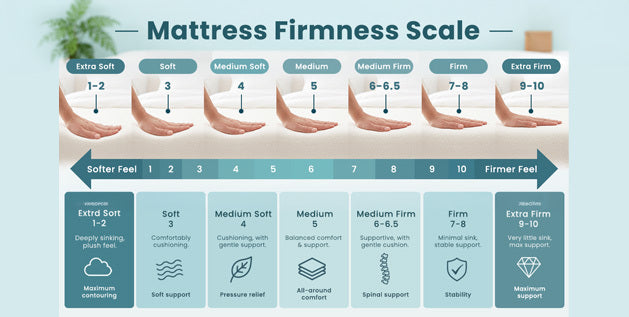
An 8-inch mattress has thinner comfort layers. This results in a firmer feel, as there’s less material to cushion your body. While this can be ideal for back or stomach sleepers who prefer a firm surface to maintain proper spinal alignment, side sleepers might find it less accommodating. Without adequate cushioning, pressure points can develop at the shoulders, hips, and knees, leading to discomfort over time.
A 10-inch mattress offers a thicker comfort layer, providing better contouring and cushioning. This makes it a versatile choice for all sleeping positions, especially for side sleepers who need more plushness for pressure relief. The added material adapts to your body, cradling sensitive areas and ensuring a more restful sleep experience.
The thinner construction of an 8-inch mattress makes it better suited for lighter individuals or children who don’t require heavy-duty support. For adults, however, the mattress may compress too much under weight, leading to inadequate spinal alignment. Over time, this can exacerbate back or joint pain.
A 10-inch mattress provides more robust support thanks to its additional layers. This makes it a better choice for adults, couples, or heavier individuals. The extra thickness prevents sagging and ensures the mattress retains its supportive qualities over time. If you share your bed with a partner or frequently toss and turn, the 10-inch option distributes weight more evenly, reducing pressure points.
An 8-inch mattress may wear out faster, especially when used frequently or by heavier individuals. The thinner layers are more prone to sagging and developing indentations. For occasional use—like in a guest room—it’s a cost-effective choice, but for daily use, its lifespan may be shorter.
Thanks to its thicker construction, a 10-inch mattress tends to last longer, even with regular use. The additional material not only enhances comfort but also contributes to the mattress’s ability to withstand wear and tear. If durability is a priority, especially for long-term use, a 10-inch mattress is worth the investment.
Since it has less material, an 8-inch mattress may retain less heat, making it a potentially cooler option. However, this largely depends on the materials used. For instance, memory foam mattresses—regardless of thickness— trap heat unless they’re infused with cooling gel or have breathable covers.
A 10-inch mattress, with its additional layers, may hold onto heat more than its thinner counterpart. However, many modern mattresses counter this issue with cooling technologies, such as gel-infused foam, open-cell structures, or phase-change materials. If overheating is a concern, look for these features when selecting a 10-inch model.
The lower profile of an 8-inch mattress makes it compatible with a wide range of bed frames, including bunk beds, trundle beds, and adjustable bases. It’s also lighter and easier to handle, making it a practical choice for those who move frequently or have limited mobility.
A 10-inch mattress is bulkier and may require a sturdier bed frame, such as a platform bed or box spring. Its thickness can elevate the overall look of your bedroom, giving it a more luxurious feel. However, the added weight can make it slightly more challenging to set up or move.
Affordability is one of the biggest advantages of an 8-inch mattress. If you’re on a tight budget or need a mattress for occasional use, this is a cost-effective solution. Keep in mind, though, that you might need to replace it sooner, which could offset the initial savings.
While a 10-inch mattress is generally more expensive, it offers better comfort, support, and durability. If you’re looking for a mattress that will serve you well for years and provide a better overall sleep experience, the higher upfront cost is often justified.
Health and Comfort Needs
For individuals with no major health concerns or specific sleep requirements, an 8-inch mattress might suffice. However, it might not provide adequate pressure relief for those with joint pain, arthritis, or other conditions that require extra cushioning and support.
A 10-inch mattress is better equipped to meet the needs of individuals with health concerns. The thicker comfort layers contour the body, relieving pressure points and reducing strain on the spine and joints. This makes it a superior choice for people with chronic pain or mobility issues.

If you're just looking for something basic and budget-friendly, the 8-inch mattress is your go-to. It's perfect for kids, guest rooms, or anyone who doesn't need anything too fancy—just a firm spot to sleep without spending a fortune. On the flip side, if you're after a little more comfort, the 10-inch mattress gives you that extra cushion and support. It's ideal for adults, couples, or anyone who wants a comfier, more durable bed that’s still affordable. So, yeah, choosing the right mattress thickness really comes down to your priorities!

4. How to Keep a Mattress from Sliding

5. How Often Should You Flip Your Mattress

Disclaimer: What is said in this article has been referenced from multiple sources and is intended only for educational and informational purposes. Please note that no content in this article is a substitute for professional advice from a qualified doctor or healthcare provider. Always consult an experienced doctor with any concerns you may have regarding a health condition or treatment, and never disregard any medical suggestions or delay in seeking treatment because of something you read here.