No Products in the Cart



Last Updated September 29, 2026
So, you're thinking about getting a mattress topper? Awesome! But hold up – did you know that the weight of the topper is actually a pretty big deal? Yeah, it's something a lot of people forget about. Don't worry, though; we're here to break it down for you.
Key Takeaways:

A mattress topper is an extra squishy layer that sits atop your mattress. It's often used to add comfort or support, especially if the existing mattress is too firm or too soft. Mattress toppers come in a variety of materials, including memory foam, latex, feather, down, and polyester, among others. They can range in thickness from a thin 1-inch layer to a more substantial 4-inch or thicker topper, and the material used often determines the overall weight.

Before we get into the numbers, let’s talk about why the weight of a mattress topper is even something worth considering:
Heavier mattress toppers, mainly those made of memory foam and latex, tend to offer more durability. These materials often compress more slowly and resist wear and tear over time, making them ideal for long-term use.
A heavier topper usually indicates a denser, more supportive material. For example, high-density memory foam offers better spinal alignment than a lightweight synthetic option. Heavier toppers are better suited for people with specific sleep needs, such as those seeking additional support for back pain.
While heavier toppers offer more durability and support, they can be cumbersome to move or adjust. If you have a heavy topper, you may find it harder to lift, rotate, or tuck it into place. Feather and down toppers, on the other hand, are much easier to handle.
Some of the heavier materials, such as memory foam and latex, are known for trapping heat. If you're a hot sleeper, the added weight may make you feel warmer. Some toppers mitigate this by incorporating cooling technologies, but it’s important to keep in mind that the denser and heavier the material, the greater the chance it might retain heat.
Mattress toppers are generally shipped in compressed packaging, which can reduce the shipping weight. However, once uncompressed, they may become much heavier. The weight also influences delivery and handling if you are ordering a topper online or moving it frequently.
Now, let's get into the details!

Several factors influence the weight of a mattress topper, and understanding them will help set expectations for how much your topper might weigh.
The most significant factor in determining the weight of a mattress topper is the material it's made from. Let's break down how different materials impact weight:
Memory Foam Mattress Topper
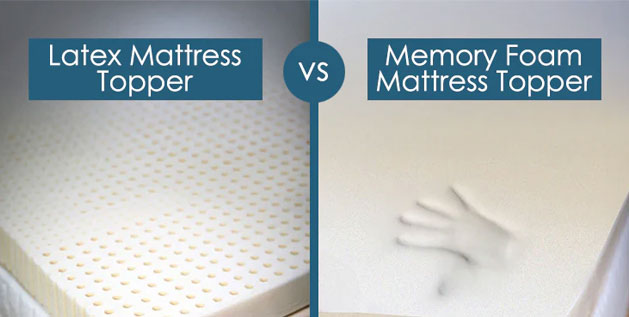
Memory foam toppers are one of the most common types. These are dense and provide excellent support by conforming to your body. A 3-inch memory foam topper for a queen-size bed can weigh anywhere from 15 to 30 pounds, depending on the density of the foam. High-density foam will be heavier, while low-density foam tends to be lighter.

Latex Mattress Topper
Latex mattress toppers are also very popular among sleepers who prefer a more natural option. Latex is generally denser and heavier than memory foam, but it has more buoyant support. A 3-inch latex topper can weigh around 20 to 40 pounds, with heavier options being made from natural latex.

Feather or Down Mattress Topper
Feather or down toppers are lighter than memory foam and latex but may require more frequent fluffing. A queen-size feather topper typically weighs between 7 to 10 pounds, depending on the thickness of the fill and the proportion of feathers versus down.

Polyester or Fiberfill Mattress Topper
Toppers made from synthetic materials like polyester or fiberfill tend to be the lightest. A 3-inch thick polyester topper for a queen bed can weigh between 8 and 12 pounds. These toppers often aim for comfort and affordability without adding much in terms of weight.

Hybrid (Multiple Materials) Mattress Topper
Some mattress toppers combine materials for enhanced performance, such as memory foam with a layer of cooling gel or latex combined with down alternative fibers. The weight of hybrid toppers depends on the specific materials and the layers involved, but they generally range from 15 to 25 pounds for a queen-size bed.

Thickness plays a vital role in determining the overall weight of the topper. Most toppers range from 1 to 4 inches in thickness, and generally, the thicker the topper, the heavier it will be.
For instance:

The size of the mattress topper will directly correlate to its weight. The larger the topper, the more material it will require, and thus, the heavier it will be. The most common mattress sizes and their typical topper weights are:

The firmness of a topper, particularly in foam, also affects its weight. Firmer memory foam or latex typically requires more material and can be heavier, offering more substantial support and durability.
The outer fabric of the topper (the cover) can also add weight. Typically, covers are made from cotton, polyester, or a blend of these materials. However, some premium toppers have additional features, such as cooling covers made from cooling gel-infused fabrics or organic cotton, which may add extra weight.
Here’s a quick guide to the expected weight of various mattress toppers by material and size:
| Material | Twin Size Weight (lbs) |
Full Size Weight (lbs) |
Queen Size Weight (lbs) |
King Size Weight (lbs) |
|---|---|---|---|---|
| Memory Foam | 5–10 | 10–15 | 15–30 | 20–35 |
| Latex | 10–15 | 15–25 | 20–40 | 25–45 |
| Feather/Down | 3–5 | 5–7 | 7–10 | 10–12 |
| Polyester/Fiberfill | 3–6 | 5–10 | 8–12 | 10–15 |
| Hybrid | 8–15 | 12–20 |
15–25 | 20–30 |
PS - Different topper thicknesses can increase or decrease the above values.
When choosing a mattress topper, always remember that weight is a big deal! Heavier toppers give you more support, but they might make you sweat. Lighter ones are more breathable but won't give you as much support. Think about what you like, what you need, and what kind of mattress you already have to find the topper that'll give you the best sleep ever.

Disclaimer: What is said in this article has been referenced from multiple sources and is intended only for educational and informational purposes. Please note that no content in this article is a substitute for professional advice from a qualified doctor or healthcare provider. Always consult an experienced doctor with any concerns you may have regarding a health condition or treatment, and never disregard any medical suggestions or delay in seeking treatment because of something you read here.