Blood on a mattress is one of those things you never really plan for, but it happens. Maybe you woke up with a nosebleed, or your period caught you off guard in the middle of the night. Whatever the reason, you’re left with a dark, obvious stain that feels almost impossible to deal with. The good news is that you don’t need expensive cleaning sprays or complicated hacks to fix it. With some household basics and a little patience, you can usually get your mattress looking clean again.
Key Takeaways:
- Blood is easiest to remove when it’s still wet, so treating it right away with cold water gives you the best chance of success.
- Avoid hot water at all costs. Heat sets blood into fabric, whether it’s your mattress or bed sheets, making the stain much harder to remove.
- Blot gently, don’t rub. Pressing and lifting pulls the stain out while rubbing pushes it deeper into the fabric and spreads it further.
- Use simple household solutions. Baking soda, hydrogen peroxide, mild soap, white vinegar, or enzyme cleaners can all help with both fresh and dried stains.
- Make sure your mattress and sheets are fully dry to prevent odors or mildew, and consider a mattress protector to guard against future accidents.
Why Speed Is Everything
Fresh blood stains are always easier to deal with than dried ones. When the blood is still wet, the proteins haven’t had time to sink in and set. Sometimes, cold water alone is enough to make a fresh stain disappear.
Once the blood dries, the story changes. You can still remove it, but it takes more time, more effort, and sometimes a couple of different methods.
The #1 Rule: Never use hot water. Heat “cooks” the proteins in the blood, locking them into the fabric permanently. That means no hot water, no warm cycles in the washing machine for bedding, and no hot-air drying until the stain is gone.
Getting Ready Before You Clean
A little prep can make the actual cleaning a lot easier.
-
Strip the bed. Get all your bedding off right away. Sheets and pillowcases should go straight into the wash so the stains don’t have time to spread.
-
Wear gloves if you want. They’re not required, but gloves can make things cleaner and more comfortable.
-
Check for a mattress cover. Some mattresses have removable, washable covers. If yours does, check the care instructions before taking it off. Some are only designed to stay on.
-
Move the mattress if needed. If the stain is on the side, shift it slightly so you’re not stuck in an awkward angle while scrubbing.
-
Gather your supplies. Having everything on hand saves you from running back and forth.
How to Remove Fresh Blood Stains from a Mattress
Fresh blood is your easiest scenario. As we said in the beginning, if you act quickly, you can usually remove it completely with minimal effort.
You’ll need:
- Cold water
- Two clean white cloths or towels (colored ones can transfer dye)
- Salt (optional but helpful)
- Mild liquid laundry detergent (optional)
Detailed Steps:
-
Blot, don’t rub. Take a clean cloth and dampen it with cold water. Gently press it onto the stain. Lift the cloth, rotate it to a clean section, and blot again. This lifts the blood without forcing it deeper into the fabric.
-
Check progress. If the stain lightens significantly after the first round, keep going with cold water until it’s gone.
-
Use the salt trick (if needed). Sprinkle a light layer of salt over the damp stain. It helps break down and draw out the blood. Let it sit for about 5 minutes. Then blot again with your damp cloth.
-
Try detergent for the last bit. If a faint mark remains, mix a drop of mild laundry detergent with cold water. Dampen your cloth and blot again. Follow with a final rinse using just cold water to remove soap residue.
-
Dry the area. Pat the area with a dry cloth, then allow the mattress to air dry fully before remaking the bed.
How to Remove Dried Blood Stains from a Mattress
A set blood stain is harder to clean because the proteins have already bonded deep into the mattress fibers.
You’ll need:
- Vacuum
- Cold water
- Clear liquid dish soap
- Hydrogen peroxide (3% solution - first spot test a small drop on an unnoticeable part of the mattress to make sure it doesn’t cause discoloration)
- Baking soda
- Spray bottle
- Soft cleaning brush or toothbrush
- Clean cloths
Detailed Steps:
-
Vacuum first. This removes any loose debris or dust around the stain so you’re working on a clean surface.
-
Mix your cleaning solution. In a spray bottle, combine equal parts cold water and hydrogen peroxide, plus 2-3 drops of dish soap.
-
Apply baking soda. Sprinkle a thin, even layer over the stain and let it sit for 15 minutes. Baking soda helps lift odors and some surface staining.
-
Vacuum again. This gets rid of the first layer of baking soda before you add moisture.
-
Spray the cleaning solution. Lightly dampen the stain. Make sure not to soak it, as excess moisture can seep deep into the mattress and cause mold.
-
Add a second baking soda layer. Sprinkle baking soda over the damp area. Let it sit for several hours or overnight.
-
Brush it out. Use a toothbrush or soft cleaning brush to break up dried bits of baking soda and loosen the stain.
-
Vacuum again. This will remove the loosened baking soda and some of the stain particles.
-
Blot with a damp cloth. Use cold water to gently lift any remaining residue.
-
Repeat if necessary. Severe stains may need 2-3 rounds for best results.
-
Air dry completely. Ensure the mattress is fully dry before putting bedding back on.
Enzyme Cleaner Method for Dried Blood
Enzyme-based cleaners work by breaking down the proteins in blood, which makes them a great choice for stubborn or large stains.
You’ll need:
- Baking soda
- Vacuum
- Enzyme-based upholstery cleaner
- Clean cloths or towels
Steps:
- Dust the stain with baking soda and let it sit for 15 minutes.
- Vacuum thoroughly.
- Apply the enzyme cleaner as directed on the label. This usually means spraying it on, letting it sit, then blotting or brushing.
- Repeat if needed until the stain is gone or noticeably lighter.
- Air dry completely.
Cleaning Blood from Bedding
Mattress stains are a pain, but bedding is much simpler to clean.
Fresh stains:
- Rinse the stained area in cold water immediately.
- If needed, soak in a basin of cold water with a pinch of salt for 5 minutes.
- Wash on a cold, gentle cycle.
- Air dry until sure the stain is gone.
Dried stains:
- Pre-treat with an enzyme-based stain remover.
- Wash in cold water.
- Check before drying. Heat will lock in any remaining stain.
When It’s Time to Call in the Professionals
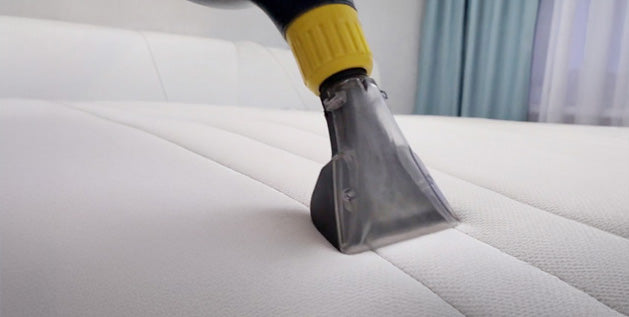
If the stain is large and really set in, or you’re nervous about damaging your mattress, professional mattress cleaners have the tools to handle it safely.
The Bottom Line
Blood stains on a mattress might look intimidating, but they don’t have to be permanent. If you act quickly, use cold water, and are patient with the process, you can usually erase them completely. And if the stain is stubborn, you have enzyme cleaners and professional help as backup. With the right approach, no one will ever know the stain was there.
Frequently Asked Questions
Hot water is never your best friend when it comes to bloodstain removal. Heat locks proteins into the affected area at a molecular level, turning a fresh spot into a set stain.
The best bet is to act fast with cold water and a clean white towel. This keeps the stained part from spreading and gives you a much better chance of saving your mattress or white sheets.
Hydrogen peroxide can be effective for stain removal, but it may lighten delicate fabrics or leave marks on sheets.
Always test one tablespoon on a hidden part of the mattress before using it on the affected area.
Using chlorine bleach on a mattress is not a good idea. While bleach may work for other stains like mildew or ink, it can damage fabrics, leave strong odors, and be harmful if not rinsed completely.
In a laundry room, bleach may work for white cotton bed sheets, but for mattresses, it’s safer to use white vinegar, lemon juice, or natural enzymes instead. These options protect your mattress while still lifting stains.
When you’re dealing with older stains, it takes more effort since the blood has already bonded at a molecular level. Don’t panic, because accidents happen. Start with gentle blotting, then try an enzyme cleaner, the cornstarch method (make a paste by mixing cornstarch with a little cold water, spread it over the stain, let it dry in the sun, and then brush or vacuum it off), or even white vinegar. If the stain persists, repeat the process on the affected area until you see progress.
After working on bloodstain removal, your mattress needs plenty of time to air dry. Depending on how much water or solution was used, it can take anywhere from 8 to 24 hours.
To speed things up, place the mattress near a window for airflow or set up fans in your laundry room. Always be sure it’s completely dry before remaking the bed to keep your mattress clean and odor-free.
Yes, a mattress protector makes a big difference in keeping your mattress clean. A waterproof protector creates a barrier that prevents liquids from soaking in, which means you won’t have to struggle to get blood stains or other spills out later. Even if bloodstain removal becomes necessary on your bed sheets, your mattress itself will stay safe.
Period stains are common and can be cleaned effectively if treated quickly. Always start with cold water and gently dab the area to lift as much of it out as possible. If the stain lingers, you can try sprinkling salt or using the meat tenderizer method. To do this, mix a small amount of unseasoned meat tenderizer with cold water to create a paste, then gently rub it onto the stained spot. Let it sit for about 15-30 minutes before rinsing with cold water. The enzymes in the tenderizer help break down the proteins in blood, making the stain easier to wash away.
If you don’t let the mattress dry completely after cleaning, a damp or musty smell can develop. To prevent this, air dry thoroughly and sprinkle baking soda to neutralize odors. Using white vinegar during bloodstain removal also helps freshen the surface.
Tough stains take more effort and a bit of patience to handle. Start by vacuuming the area to remove any loose debris and surface dirt. Next, dab gently with cold water as this helps loosen the fibers and prevent the stain from setting in further.
Enzyme-based cleaners or natural enzymes can be very effective at breaking down the proteins in dried blood. Apply the cleaner, let it sit for 15-20 minutes, and then blot with a clean cloth. If the stain is still visible, try alternating between white vinegar and baking soda. The fizzing action helps lift particles from deep within the fabric.
For particularly stubborn or very old stains, hydrogen peroxide (3% solution) can be used, but always spot test on a hidden area of the mattress first to make sure it doesn’t cause discoloration. Apply a small amount, let it bubble for a few minutes, then blot away with a damp cloth.
If the stain has been there for a long time and nothing seems to work, professional cleaning may be the most reliable way to restore your mattress to a fresh and hygienic state.
Disclaimer: What is said in this article has been referenced from multiple sources and is intended only for educational and informational purposes. Please note that no content in this article is a substitute for professional advice from a qualified doctor or healthcare provider. Always consult an experienced doctor with any concerns you may have regarding a health condition or treatment, and never disregard any medical suggestions or delay in seeking treatment because of something you read here.