No Products in the Cart



Last Updated September 27, 2026
When people think about bedding ideas, they picture perfectly styled beds with a dozen pillows and crisp sheets that never wrinkle. That looks nice in photos, sure, but it rarely reflects real life. Most of us just want a bed that feels good at the end of a long day, not something we have to constantly fuss over. Good bedding starts with comfort. Style comes second. When both work together, your bed becomes a place you want to spend more time in. This guide focuses on choices that feel good to use every day. Nothing here is about perfection or luxury labels.
Key Takeaways:

The foundation of any good bedding setup is fabric quality. Materials such as organic cotton, bamboo, linen, wool, silk, hemp, TENCEL, and hemp are often preferred for their breathability. These fabrics feel comfy against the skin and maintain their performance after repeated washings.
Blended fabrics can also be a smart choice, too. Being a combination of two or more fibers (most commonly cotton paired with materials like polyester, bamboo, or linen), blends are designed to balance things in a way single material can’t.
Common advantages of blended bedding fabrics include:
Equally important is the weave of the fabric. Crisp weaves tend to feel cooler and more structured, while smoother weaves feel softer and slightly warmer.
Over time, the weave influences how sheets soften, how they hold their shape, how they feel, and how long they last.

Bedding should support your sleep habits first. A beautiful bed that feels uncomfortable will never work in the long run.
If you like sleeping cool, then breathable sheets and lighter layers help regulate temperature better. If you prefer a plush, cozy feel, thicker fabrics and softer weaves create that sinking sensation without making the bed feel heavy.
A mattress topper is one of the easiest ways to adjust comfort without replacing the mattress.
A topper can help by:
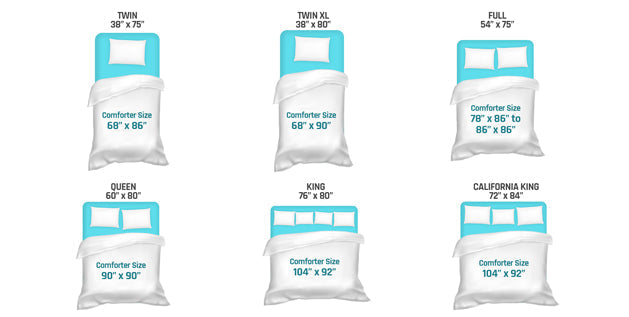
Always measure your mattress size carefully and match your topper to it to ensure a proper fit. For example, if you have a king-size mattress (76" x 80"), you need a king-size topper (76" x 80").

Layering should make the bed more functional. Avoid clutter. Each layer should serve a clear role.
A well-layered setup includes:
This approach lets you adjust warmth easily while keeping the bed visually clean. Tri-folding the comforter toward the foot of the bed creates more space for pillows. Using hospital corners keeps sheets snug and gives the bed a uniformly polished appearance.

Texture is what makes bedding feel inviting rather than flat. Some effective texture combinations include:
Effective texture combinations often include:
Layering textures works across seasons. Lighter fabrics feel fresh in warmer months, while heavier fabrics add warmth during colder weather.

Biophilic design has shaped modern bedding trends. Natural materials and soft floral patterns with organic textures help create a rather calming atmosphere.
Popular choices include:
A neutral base, combined with a few vibrant throw pillows, adds beautiful personality to the room.

The bed naturally anchors the room, so it should be styled first and styled with intention. When the bed looks complete, the rest of the space feels more cohesive without needing extra decor.
Start by centering the bed on the longest uninterrupted wall. No doors, windows, closets, or other obstructions should break it up.
Look into getting a well-fitted headboard. It helps define the bed’s shape, even in minimalist bedrooms.
Keep the surrounding furniture secondary. Nightstands should support the bed, not compete with it. Matching lamps, balanced pillow placement, and symmetrical spacing reinforce the bed as the visual center.

Soft, layered lighting complements bedding very well. It also prevents overstimulating your senses. Instead of relying on a single overhead light, use multiple light sources to create a gentle glow around the bed.
Bedside lamps or wall-mounted sconces provide focused light for reading. Warm-toned bulbs help signal the body that it’s time to sleep, while dimmers make it easy to adjust brightness as the evening progresses. Accent lighting, such as a subtle LED strip behind the headboard, adds depth without distraction.

The final layer is less about overloading on bedding and more about how the bed is used and maintained.
Simple habits make a noticeable difference. Straighten the sheets each morning. Fluff the pillows and fold the layers neatly. Air the bed for a few minutes each morning by pulling back the covers to release trapped moisture. Wash the sheets regularly to maintain their softness. Keep extra blankets stored nearby for easy reach.
Over time, these simple routines make the bed feel consistently inviting.
Bedding ideas can come from anywhere, but the best bedding choices aren't about copying everything you see online. They are about understanding how your bed functions in real life, for you and for anyone who sleeps with you.
Well-thought-out bedding improves more than sleep. It decides how your room feels when you wake up. It decides how easily you unwind at night and how much effort it takes to keep the space inviting. When bedding choices support your sleep habits, the bedroom becomes a place where rest comes naturally.
Disclaimer: What is said in this article has been referenced from multiple sources and is intended only for educational and informational purposes. Please note that no content in this article is a substitute for professional advice from a qualified doctor or healthcare provider. Always consult an experienced doctor with any concerns you may have regarding a health condition or treatment, and never disregard any medical suggestions or delay in seeking treatment because of something you read here.