No Products in the Cart



Last Updated September 30, 2026
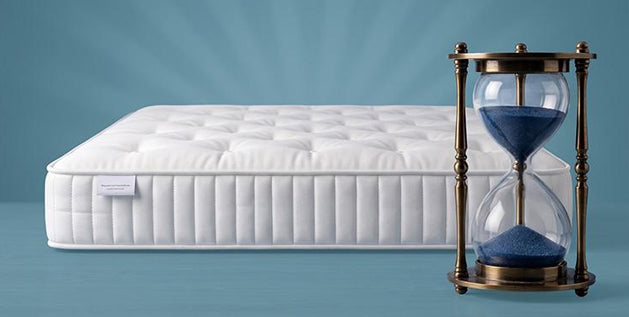
Do you want to know how long mattress toppers last? If so, you're in luck! In this blog post, we'll provide you with some tips on how to make your mattress topper last longer. Plus, we'll share some information on the average lifespan of different types of mattress toppers. So, keep reading!
Key Takeaways:

Imagine this scenario - it's 2 a.m., and you're still staring at the ceiling, trying to get yourself to sleep. But no matter how much you try, your brain just won't shut off. Sound familiar? If you've ever had a sleepless night, then you know how frustrating (and exhausting) it can be. But what you might not know is that there are actually a few different reasons why you might be struggling to get some shut-eye.
For example, did you know that your mattress can actually be one of the culprits? Sleeping on an uncomfortable mattress can not only disrupt your sleep but can also lead to daytime fatigue and long-term health problems. Luckily, there is a solution—mattress toppers!
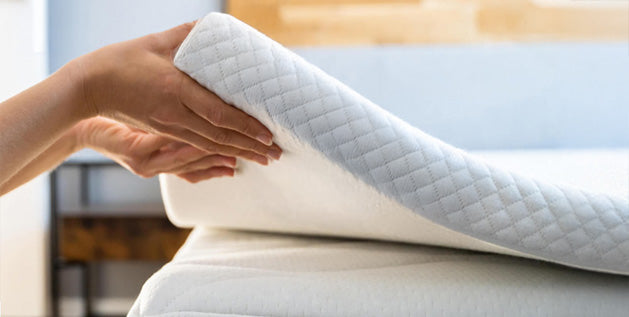
A mattress topper is a 2 to 4 inch thick layer that goes on top of your mattress to add extra support and comfort. It can make a firm bed softer or give more support to a soft bed.
Toppers come in different shapes, sizes, and materials. The most common ones are made from latex, memory foam, or feather fills, so it's good to know your options before buying.
Mattress toppers are one of those things that you don't really think about until you need one. And then, once you have one, you can't imagine life without it. But like all good things, mattress toppers must come to an end.
While the average lifespan of most toppers is about 3 to 5 years, it mainly depends on the material they are made from.

Latex is typically a high-quality material made from the sap of the rubber tree. However, there may be some variation between different types of latex when it comes to durability.
Higher-density latex mattress toppers last longer than lower-density options. And Dunlop latex toppers last longer than Talalay latex mattress toppers. Also, natural latex tends to be more durable and long-lasting than synthetic and blended types.
Latex mattress toppers are more durable than their competitors, so they can typically be expected to last at least 5 years.
A high-quality, well-maintained organic and natural latex mattress topper could last for much longer. In fact, with proper care, a latex mattress topper could easily outlast the mattress itself. So if you're in search of a good topper that will stand the test of time, latex is the way to go.

Memory foam is another popular material for mattress toppers. It's made from viscoelastic polyurethane and offers better support and cushioning.
A memory foam mattress topper typically lasts up to 3–5 years. Even high-quality memory foam toppers made with expensive materials will only last for a few years before they start to show signs of sagging or wear and tear. And if you're buying a cheap-quality memory foam mattress topper, just expect it to last for 2 years or less.
If you're thinking about investing in a memory foam mattress topper, be prepared to replace it every few years. Otherwise, you'll just be wasting your money.

Feather mattress toppers are well-known for being very soft, light, and breathable. They help to regulate your body temperature and keep you cool in the summer and warm in the winter. However, they aren't as thick and supportive as other types of mattress toppers, and the feathers can sometimes clump, leading to an uneven surface.
Mattress toppers that use feather filling usually last for two years, but if they are made of high-quality feathers and are well taken care of, they might last much longer.

Wool is a very soft, fluffy, and highly durable material that has excellent temperature-regulating properties. However, they are not suitable for sleepers with specific needs like back support or pain relief, as they provide very little support.
Wool mattress toppers generally perform for at least four years. However, these mattress toppers lose some thickness and fluff over time.

Egg crate mattress toppers got their name from their shape. They have little bumps like egg crates and are made from memory foam, latex, or normal foam.
A low-cost egg crate mattress topper will probably start to lose its shape and support in just a year or two. However, a more high-quality version, such as the ones made of latex, can end up lasting 3+ years.

The lifespan of mattress toppers depends on several factors, such as the type of material, density, thickness, frequency of use, and the condition of your current mattress.
The type of mattress topper you choose can make a big difference. Those made from natural materials like latex or wool will last longer than those made from petroleum-based materials or feather fills.
Also, a mattress topper made of high-quality foam will last longer than one made of lower-quality foam.
The thickness of your mattress topper will also affect its lifespan. A thicker topper will last longer than a thinner one because it will be better able to withstand wear and tear as well as provide the best support and comfort.
Are you using a mattress topper for your guest bedroom, or are you using it regularly?
If you only use your mattress topper occasionally, it will last longer than if you use it all the time. This is because using it all the time adds pressure that can wear it down over time.
If you plan on using your mattress topper often, it's a good idea to buy one made of quality materials like latex, which will last longer.
If you have an old mattress underneath that is sagging in places or is extremely bumpy, the mattress topper will follow the lead of the mattress and eventually become just as uncomfortable.
If you want the most out of your mattress topper, make sure your current mattress is no more than 7 to 10 years old and isn't showing typical signs of wear and tear.

Mattress toppers are designed to add an extra layer of comfort to your mattress, and they can be a lifesaver if your mattress is starting to feel uncomfortable.
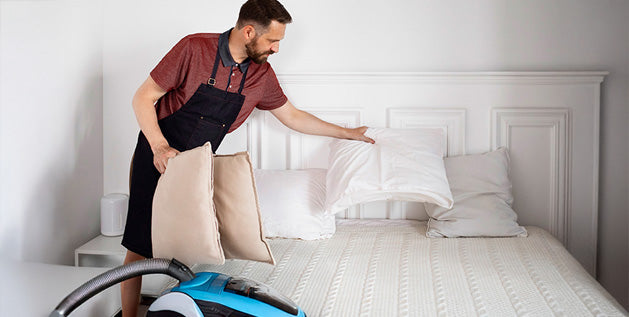
Here are a few tips for extending the life of your mattress topper:
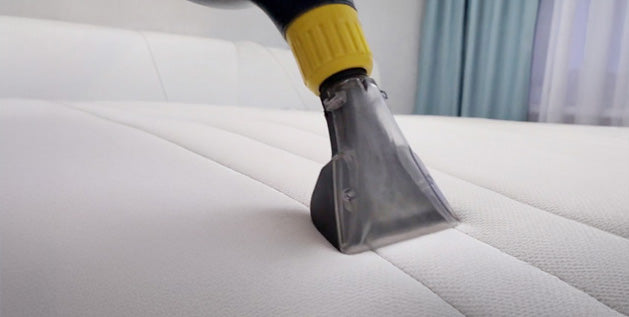
Follow these simple steps to clean your mattress topper, but always check the manufacturer's instructions first:
If you start feeling the same uncomfortableness you felt before you brought your new mattress topper home, or if you start feeling worse, maybe it's high time you need to replace it.
Another quick way to tell if you need a new mattress topper is by looking for permanent dents.
A worn-out mattress topper is known to cause more body problems and will not offer the comfort and support it is actually supposed to offer. So, permanent wear and tear are also reasons to replace them with a new one.
So, how long does a mattress topper actually last? The answer is—you guessed it—it depends. But if you invest in a good quality topper and take care of it properly, it can provide you with an amazing sleep experience for years to come.
However, even mattress toppers need some love and attention. Keep them clean, dust-free, and properly maintained to extend their lifespan. Also, be mindful of the materials used in their construction so they don't deteriorate prematurely.
Disclaimer: What is said in this article has been referenced from multiple sources and is intended only for educational and informational purposes. Please note that no content in this article is a substitute for professional advice from a qualified doctor or healthcare provider. Always consult an experienced doctor with any concerns you may have regarding a health condition or treatment, and never disregard any medical suggestions or delay in seeking treatment because of something you read here.