No Products in the Cart



Last Updated June 7, 2026
Have you ever woken up at 3 a.m., freezing, because your partner has somehow mummified themselves in the entire duvet? Yeah. There's a fix for that: the Scandinavian Sleep Method. Separate duvets, one each.
Sounds almost too obvious, right? But couples who've made the switch say it's one of the best things they've done for their sleep (and also for their relationship).
Let's find out why it works and whether it's worth trying.
Key Takeaways:

The Scandinavian Sleep Method is a sleep arrangement in which two people share the same bed but use separate duvets (or comforters). This setup is commonly found in Scandinavian countries such as Sweden, Norway, and Denmark.
Many see it as a compromise between traditional bed sharing and a sleep divorce. Couples still sleep together, enjoying the closeness of sharing a bed, but they eliminate one of the most common causes of nighttime frustration - blanket hogging.
Although the method has existed for decades, it only recently gained widespread attention outside Scandinavia through social media. Videos showing neatly made beds with two separate duvets sparked curiosity among many.
The Scandinavian Sleep Method appeals to couples primarily because it offers a simple solution that requires very little effort. Unlike buying a new mattress or completely redesigning a bedroom, it only involves changing how your bedding is arranged.

Replace your shared duvet with two individual duvets. Twin and twin XL sizes are the most common choices, though larger duvets can provide extra coverage on queen and king beds.
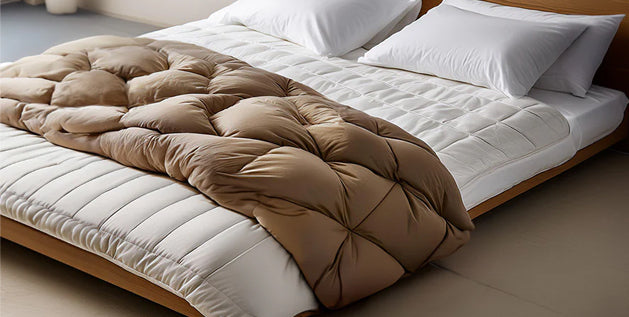
Each duvet can be tailored to individual comfort preferences. One side of the bed may have a warmer, heavier duvet, while the other uses a lighter option. Different duvet covers and fills can also be used.
Many Scandinavian bedrooms skip the top sheet and use a duvet cover instead. This creates a simpler bedding arrangement. If you prefer sleeping with a top sheet, you can still include one.
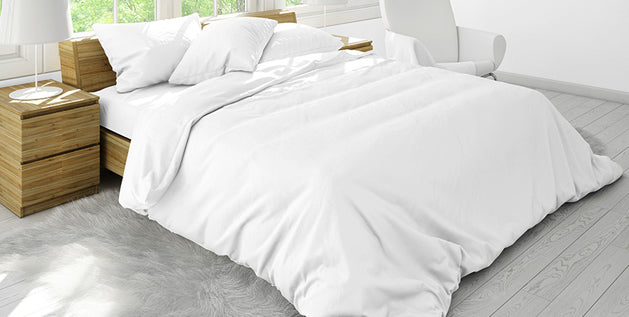
Place one duvet on each side of the bed where each person sleeps. The duvets can overlap slightly in the middle to create a seamless appearance. Make sure both duvets provide enough coverage without hanging excessively over the edges.
To give the bed a polished look, add a throw blanket, quilt, or bedspread across the foot of the bed. This helps tie the two sides together visually.
Here are some of the key benefits of the Scandinavian Sleep Method.

While the Scandinavian Sleep Method has plenty of advantages, it may not work for everyone.
One of the biggest misconceptions about the Scandinavian Sleep Method is that separate duvets create emotional distance between partners. While sharing a blanket can feel cozy and symbolic, separate covers don't change the fact that you're still sharing the same bed.
Most of the adjustment happens after the lights go out. Partners can still cuddle up together, enjoying the same bedtime routines they always have. The difference is simply that each person has their own duvet when it's time to sleep.
Some people even find that fewer nighttime disruptions lead to a better overall experience of sharing a bed. When both partners sleep more comfortably, they're less tired and in a better mood during the day.

The rise of the Scandinavian Sleep Method has happened alongside growing conversations about sleep divorce, a term used when couples choose to sleep in separate beds (or sometimes separate bedrooms) to improve sleep.
While both approaches aim to reduce sleep disruptions, they address the issue in different ways.
A sleep divorce creates physical separation. The Scandinavian Sleep Method maintains the shared sleeping space while giving each person greater independence within it.
For couples dealing primarily with blanket stealing, temperature disagreements, or similar minor disturbances, separate duvets can be enough to solve the problem. More significant issues, such as severe snoring and differences in daytime schedules, tend to require a sleep divorce.
Suggested Read: How to Stop Snoring
The Scandinavian Sleep Method works because it accepts the reality that two people can share a bed without needing to share the same sleep setup. By using two duvets, each person gets control over their own comfort, which helps reduce friction caused by temperature differences and nighttime movement.
If you've been dealing with a similar issue with your partner, we recommend trying this method. There's a good chance it'll help settle your differences in bed.
Disclaimer: What is said in this article has been referenced from multiple sources and is intended only for educational and informational purposes. Please note that no content in this article is a substitute for professional advice from a qualified doctor or healthcare provider. Always consult an experienced doctor with any concerns you may have regarding a health condition or treatment, and never disregard any medical suggestions or delay in seeking treatment because of something you read here.