No Products in the Cart



Last Updated January 23, 2026
Bedding, also known as bed linen (or bedclothes), is the collection of layers that sit between you and your mattress. It can include everything from pillows and mattress toppers to comforters, top sheets, blankets, protectors, and more. Bedding fulfills your bed, making it feel more comfortable. It also protects the mattress from impurities.
Most people don’t think about what counts as 'bedding' until their sleep starts to feel a little off. Maybe the sheets feel scratchy, or the whole setup just doesn’t feel as cozy as it used to. This article breaks down the basics, so you know exactly what bedding includes, why each piece plays a role in your comfort, and how the right mix can make your bed feel a lot more inviting. Keep reading!
Key Takeaways:

To understand bedding fully, it helps to know what each piece does. Every layer adds its own touch to the comfort of your bed.

A mattress
protector acts as the first line of defense for your mattress. It shields the mattress from spills, sweat,
dust, and everyday wear that can seep into the core and cause damage over time.
There are two types of mattress protectors:
When choosing a protector, look for one that is breathable. Thinner styles feel crisp, while thick, plasticky options may trap heat. Washing the protector every month prevents buildup and ensures a fresh sleeping surface.
A mattress topper isn’t mandatory, yet it can transform the way your mattress feels if you want deeper cushioning and/or firmer support. It sits right on top of the mattress and stays under the fitted sheet, acting as an extra comfort layer that fine-tunes the feel of your bed. Many people use one to soften a mattress that is too firm or to add a little height without buying a new bed.
Sheets are part of your bedding that sit closest to your skin, so they influence comfort more than almost anything else on the bed. The basics start with the two sheet types you’ll see everywhere, because each one plays its own role in how your bed feels.
A fitted sheet forms the foundation. Its elastic edges hug the mattress, creating a tidy surface that doesn’t shift
as you sleep. A flat sheet works as the layer above it. It’s a simple rectangle you can tuck in or leave loose, and
many people appreciate the extra softness and hygiene it adds. Others skip it altogether, using only the fitted
sheet when they want a lighter setup.
Once the structure is clear, fabrics become the next part of the decision.
Weave type also changes the experience.
Sheets should match your sleep temperature, texture preference, and mattress height. Deep-pocket sheets are essential for thicker mattresses. Rotating two or more sets and washing them regularly keeps them long-lasting.
A blanket throw is a lightweight layer that keeps you warm without feeling heavy. It's usually made from cotton/fleece/wool, making it easy to use year-round. In colder months, you can layer a blanket under your comforter, and in warmer months, a single blanket might be all you need.
Blankets also let you add personality to your bed. A throw casually draped across the foot of the bed can add unique texture and color, giving the whole room a more complete look.
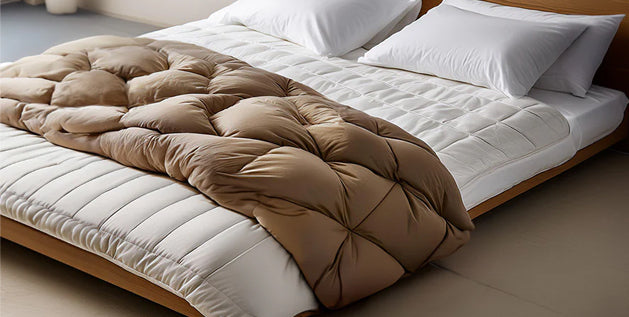
A comforter is the thick, cushy layer that gives your bed its cozy feel. It’s usually filled with wool/down/feathers/synthetic fibers, and provides warmth without weighing you down. Most people use it as the topmost layer.
Some like to keep it simple and use the comforter alone, while others layer it with a blanket or quilt for extra warmth and texture.
A quilt is made of three stitched layers: a top fabric, a middle filling, and a bottom fabric. Quilts are generally thinner than comforters, offering moderate warmth while also adding decorative charm.
Their stitched patterns bring texture to the bed and make them ideal for neutral climates or for those who prefer a lighter, yet stylish, bedding option. Quilts are also easier to maintain compared to bulkier comforters.
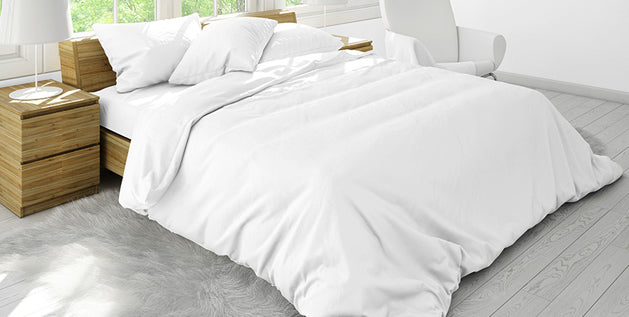
A duvet is similar to a comforter but comes with a removable cover, which makes cleaning and styling simpler. The duvet insert provides warmth, while the cover protects it from dust and allows you to change the bed’s appearance without replacing the entire piece.
Duvet covers can be removed and washed regularly, and swapping them offers a quick way to refresh the bedroom’s look.
Lightweight inserts are ideal for summer, and thicker inserts keep you cozy in winter. Linen and cotton covers are breathable + low-maintenance, while silk covers provide a luxurious touch.
Pillows support the head, neck, and shoulders, helping improve upper-body posture when sleeping. Choosing the right pillow can make a noticeable difference in how well you rest.
Common types include:
Equally important are pillowcases, which protect your pillows and create a soft surface against your skin. Depending on your needs, you can choose from:
To complete the look and add extra comfort, many people layer with decorative shams or large Euro pillows. These not only make the bed feel fuller, but also introduce style and structure, tying the entire bedding setup together.
Decorative layers bring visual appeal to your bed without necessarily adding warmth. Some popular options include:
Layering these elements correctly balances aesthetics with usefulness. Additional decorative layers make your bed feel inviting while offering a simple way to express personality.
Bedding does much more than make a room look put together. It shapes how comfortable you feel at night and even how clean your sleep environment stays.
When the fabric feels soft and breathable, your body settles more easily, and drifting off doesn’t take as much effort. Good bedding also helps you stay asleep instead of tossing around trying to get comfortable again.
Materials that breathe well keep heat from getting trapped within, while thicker weaves and warmer fabrics add cozy insulation when the weather cools. Getting this balance right can prevent those nights when you wake up sweaty or shivering.
Bedding acts as a barrier between you and the mattress, catching sweat, spills, and everyday debris before they sink into the layers below. Washing your sheets regularly keeps that buildup in check even further, helping limit dust mites and other irritants.
A neatly made bed with colors/patterns that work well together has a big impact on the feel of the entire room. Fresh bedding can make the space look brighter, calmer, more inviting, etc., depending on the style you choose.
Here’s how most people layer their bedding:
In warmer months, you can skip the heavier layers, while in winter, you can add an extra quilt or swap to flannel sheets.
Here are some tips to help you choose the right bedding:

Thread count gets a lot of hype, but it’s only part of the story. Most quality sheets fall in the 200-800 thread count range, which balances softness and durability. A sheet with a moderate thread count can feel incredibly soft if it’s made from quality cotton and woven well. Instead of chasing high numbers, focus on how the fabric feels in your hands, how breathable it is, and whether it feels sturdy enough to last over time.
Your local weather plays a big role in what will feel comfortable.
Some fabrics naturally resist dust and other allergens. Bamboo, microfiber, and tightly woven cotton usually stay cleaner longer, which can make a noticeable difference if you’re sensitive.
Bedding can be beautiful, but it’s only useful if it’s practical. Some materials wrinkle easily or require special washing, while others hold their shape and are low-maintenance. If you prefer something hassle-free, look for fabrics that wash easily and keep their texture over time.
Bedding takes up the largest portion of your bedroom visually, so your choices set the tone. Coordinated colors and patterns can make a space feel inviting, even if everything else in the room is simple.
| Bedding Item | Recommended Washing Frequency |
|---|---|
| Sheets and Pillowcases | Every 1–2 weeks |
| Duvet Covers | Every 2–4 weeks |
| Blanket Throws | Every 2–4 weeks |
| Duvets and Comforters | Every 2–3 months (or as needed) |
| Mattress Protectors | Every 2–3 months |
Pro Tip: If you sweat a lot or have allergies, washing more often is recommended.
Bedding is what turns a mattress into a bed. It affects how the room looks in the morning and evening. It affects how you sleep and how you feel when you wake up. Soft sheets against your skin, a pillow that supports your neck, a cover that keeps it clean, and a comforter that keeps you warm all work together to make rest feel easy. Choosing the right fabrics and fit, and layering them properly, is all you need to do to turn your bed into a space that feels welcoming every night.
Related blog posts:
1. Top 3 Reasons Why Organic Bedding Is Better


4. Blanket Size Chart and Dimensions Guide
Disclaimer: What is said in this article has been referenced from multiple sources and is intended only for educational and informational purposes. Please note that no content in this article is a substitute for professional advice from a qualified doctor or healthcare provider. Always consult an experienced doctor with any concerns you may have regarding a health condition or treatment, and never disregard any medical suggestions or delay in seeking treatment because of something you read here.